Adapting Home Design to Edmonton’s Climate Conditions
When you design a home in Edmonton, you’re not just choosing finishes and floor plans, you’re designing for a climate that brings temperature swings, long winters, bright summer days, and dry prairie air. The weather here shapes everything from structural choices and materials to layout and energy systems. Thoughtful design doesn’t just make your home more comfortable; it helps reduce long-term maintenance, improve energy efficiency, and protect your investment for decades to come.
Here’s how Edmonton’s climate directly influences smart home design decisions.
1. Building for Freeze-Thaw Durability
Edmonton’s winters often bring deep freezes followed by milder periods. These freeze–thaw cycles can be hard on building materials, especially exterior finishes and concrete.
Homes here benefit from:
High-quality exterior cladding such as fiber-cement siding, engineered wood, or high-grade stucco designed for cold climates.
Durable roofing systems that resist cracking and ice buildup.
Proper grading and drainage to prevent moisture from sitting against the foundation.
Moisture that seeps into cracks during a thaw can freeze again and expand causing damage over time. That’s why robust construction details and regular water shedding are key priorities in Edmonton home design.
2. Insulation Isn’t Optional, It’s a Strategy
Insulation plays a starring role in every custom home here. Because heating is a major expense in northern climates, the goal is to retain warmth efficiently without overheating in summer.
Smart builders focus on:
Higher-than-code R-values in walls, attics, and floors
Insulated basements and slab foundations
Thermal breaks to reduce heat loss
Airtight building envelopes to stop drafts
Well-planned insulation helps maintain consistent interior temperatures and reduces reliance on mechanical systems, such as smart thermostats, which optimize heating and cooling based on your routine and weather conditions.
3. Windows Designed for Weather and Light
Edmonton enjoys long sunny days in summer but in winter, those same windows need to hold in heat and keep cold out.
Homeowners often benefit from:
Triple-pane, low-E windows
Superior sealing and framing
Strategic window placement
South-facing windows can capture passive solar heat during colder months. Meanwhile, shading elements like roof overhangs can reduce heat gain in summer. The right glazing helps control temperature, reduce condensation, and prevent fading of interior finishes.
Windows aren’t just design features, they’re one of the biggest energy factors in your home.
4. Efficient Heating Systems Are Essential
As the winter temperatures can drop quickly and stay low for long periods, choosing the right heating system is critical, something an experienced custom home builder understands well. The goal is to create a heating plan that balances comfort, efficiency, and long-term performance, no matter how harsh the season becomes.
Popular options include:
High-efficiency forced-air furnaces
In-floor radiant heating
Cold-climate heat pumps
These systems are selected not only for warmth, but also for reliability, fuel efficiency, and long-term operating costs. A well-designed system ensures your home stays comfortable even during extreme cold snaps.
5. Snow-Smart Roof & Exterior Design
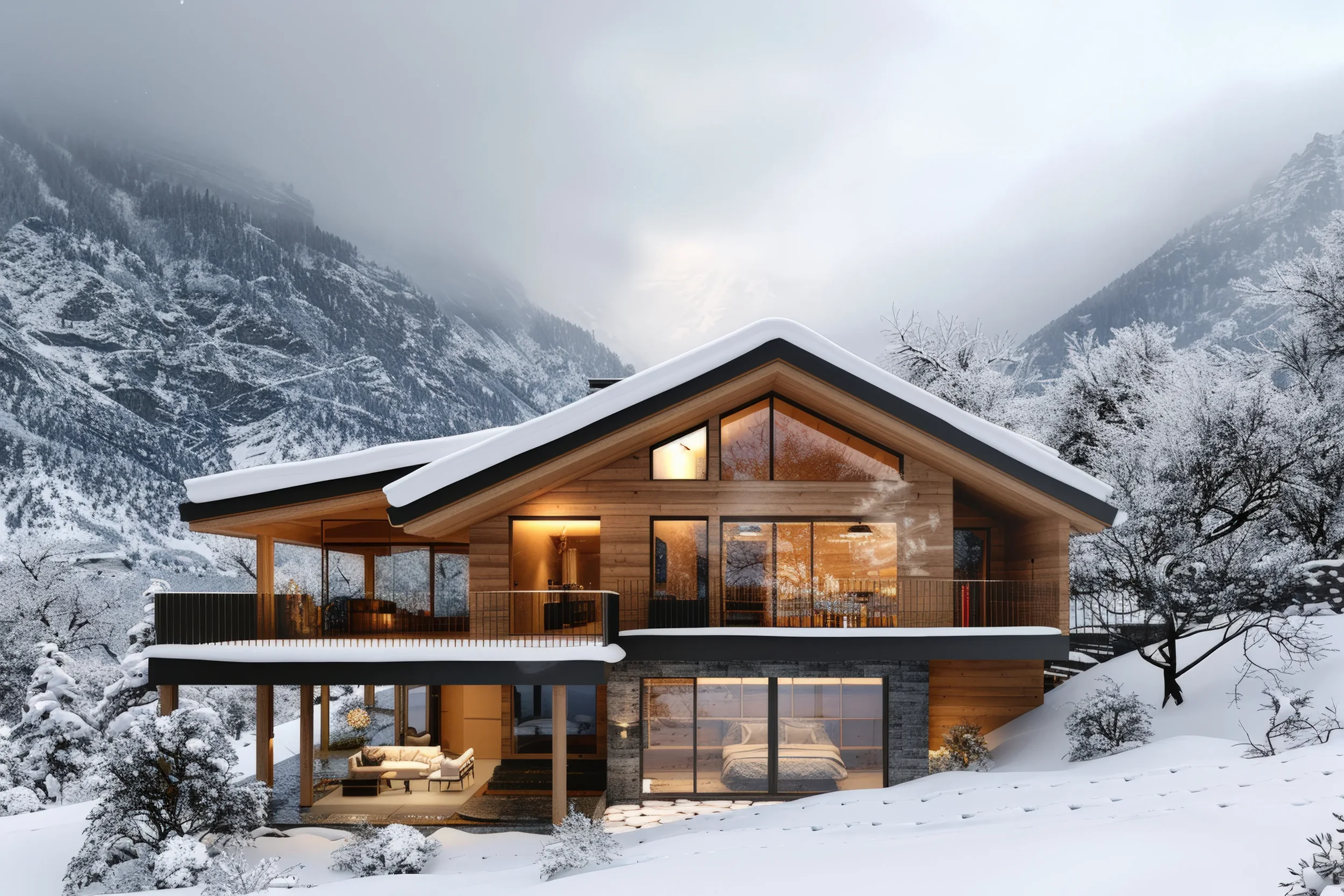
Snow is a reality for much of the year, so roof design must be functional as well as attractive.
Climate-responsive features include:
Steeper roof pitches to shed snow naturally
Durable shingles or metal roofing
Proper insulation to prevent ice dams
Extended eaves for runoff protection
Snow retention systems may also be necessary to manage where snow falls especially above entrances and walkways.
Exterior entryways benefit from covered porches, mudrooms, and durable flooring, all designed to handle wet boots, grit, and melting snow.
6. Foundations Built for Frozen Ground
Frost heaves the upward movement of soil as moisture freezes and expands which can cause serious structural stress if not accounted for.
This is why:
Foundations are typically placed below frost line depth
Soil conditions are assessed early in planning
Drainage and waterproofing are prioritized
In Edmonton’s climate, proper foundation engineering protects your home from shifting, cracking, and moisture intrusion. A knowledgeable home builder will work with geotechnical experts when needed, ensuring the ground beneath your home is as stable as the structure above it.
Good foundation planning also supports warmer, drier basements turning them into comfortable living spaces rather than cold storage areas.
7. Designing Comfortable Indoor Spaces Year-Round
With people spending more time indoors during colder months, homes in Edmonton often place a premium on warmth, comfort, and functional gathering spaces.
Common design preferences include:
Cozy great rooms with fireplaces
Natural materials like wood and stone
Thoughtful lighting for long winter nights
Energy-efficient appliances and fixtures
At the same time, summers call for outdoor living spaces so covered decks, sunrooms, and landscaped yards play an important role too.
8. Choosing Climate-Resilient Landscaping
Outdoor planning also responds to climate conditions. Edmonton’s temperature extremes can affect soil, tree species, and erosion.
Smart landscaping may incorporate:
Cold-hardy plant selections
Irrigation systems that handle dry seasons
Wind protection through fencing or hedges
Low-maintenance designs ensure beauty lasts through changing seasons.
9. Sustainability Makes Sense in Cold Climates
Energy-efficient design isn’t just environmentally responsible in a cold city like Edmonton, it delivers real and measurable value. A custom home builder can design your home to use less energy while staying warm and comfortable through long winters. Better insulation, smarter mechanical systems, and efficient layouts all help reduce heat loss which means lower monthly bills and a smaller environmental footprint.
Homeowners are increasingly choosing features such as:
High-performance building envelopes to minimize heat loss
Smart home automation to monitor and optimize energy use
Beyond savings, sustainable homes often feel quieter, healthier, and more comfortable year-round. Over time, these thoughtful design choices protect both your budget and the environment while increasing the long-term value of your home.
Designing With Edmonton in Mind
Edmonton’s climate isn’t just a challenge, it’s an opportunity to design smarter, stronger, and more efficient homes. When your home is built with weather in mind, you benefit from greater comfort, reduced maintenance, and lower energy bills, all while enjoying a space tailored to the way you live.
Partnering with an experienced custom home builder is one of the best ways to ensure your home is designed thoughtfully for local conditions. From foundation engineering to heating systems and material selections, local expertise leads to better decisions and better results.
A climate-smart home is more than shelter, it’s a space designed for real life, in every season, built to thrive in Alberta’s unique environment.
Follow us!
related articles