5 Critical Mistakes to Avoid When Designing Your Custom Home

Designing a custom home is an exciting opportunity, one that allows you to shape every detail of your living space around your lifestyle, tastes, and long-term goals. But while the process is full of possibility, it also comes with a series of decisions that can impact your comfort, budget, and satisfaction for years to come. Many homeowners underestimate just how complex custom home planning can be, and as a result, overlook key elements that should be addressed early.
To help you create a home that truly stands the test of time, here are five critical mistakes to avoid when designing your custom home.
1. Not Aligning Your Design with Your Lifestyle
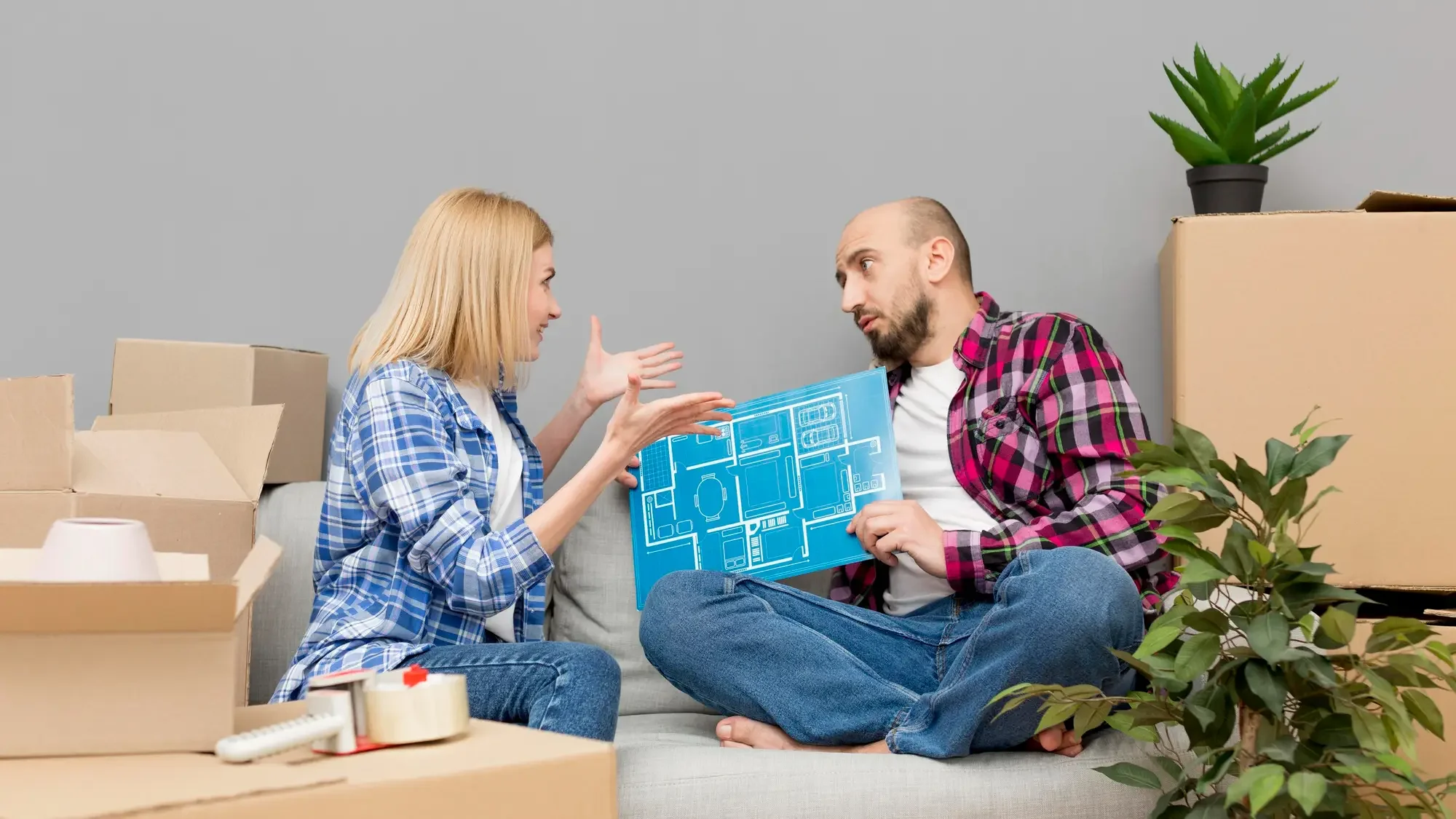
One of the most common and costly mistakes homeowners make is designing a home that looks beautiful on paper but doesn’t support the way they live day-to-day. It’s easy to get swept up in trendy layouts or Pinterest-worthy inspiration, but function must come before aesthetics.
Consider how you spend your time at home.
Do you entertain large groups regularly?
Do you need a quiet office, a hobby room, or a secondary suite?
Is an open-concept kitchen ideal, or do you prefer more separation?
Thinking through your lifestyle now will ensure your design supports future needs as well such as growing children, ageing parents, or plans to work from home long-term. A home that “fits” your life will always feel comfortable and intuitive, and it will save you from expensive redesigns or renovations later.
2. Overlooking Natural Light and Home Orientation
The direction your home faces and how rooms are placed within that layout plays a major role in comfort, energy efficiency, and mood. Yet many homeowners don’t take the time to consider how sunlight moves across their lot throughout the day.
Proper orientation improves your home dramatically.
For example:
South-facing living areas get warm, steady natural light, great for family rooms and kitchens.
East-facing bedrooms invite soft morning light, making waking up easier.
West-facing windows can cause overheating if not shaded properly.
Ignoring these details can lead to darker rooms, higher heating/cooling costs, and less enjoyable living spaces. During the design stage, discuss window placement, shading solutions, and room positioning with your builder or designer to make the most of your lot’s natural advantages.
3. Designing Without a Realistic Budget in Mind
A custom home offers the flexibility to create exactly what you want but that doesn’t mean everything fits into your budget. Many homeowners underestimate the true cost of finishes, structural changes, upgrades, and the labour required to bring those ideas to life.
This often leads to last-minute budget cuts or compromises that affect the look and quality of the home.
To avoid this, establish a clear and honest budget from the start. Break it down into:
Required expenses (foundation, framing, mechanical systems)
High-priority features (kitchen layout, flooring, exterior materials)
Flexible “wish list” items (luxury appliances, designer fixtures, specialty built-ins)
A good builder will guide you through cost-effective alternatives and help you allocate funds where they matter most. With proper planning, you can stay within budget without sacrificing long-term quality or functionality.
4. Making Decisions Too Late in the Process
Construction runs on schedules, and delays often come from slow or last-minute decisions. Homeowners sometimes wait to choose finishes like countertops, flooring, lighting, or cabinetry until the builder needs them immediately. At that point, the selection is rushed, or preferred items are on backorder, pushing the build off schedule.
When decisions are made early:
You get more options to choose from
The builder orders materials in advance
Trades can work smoothly without pauses
You avoid unnecessary stress
A custom home comes with many choices, so plan ahead. Work with your builder to create a decision timeline, and try to finalize major selections before construction begins. Staying ahead of these details is one of the simplest ways to keep your project on schedule and stress-free.

5. Ignoring Long-Term Maintenance and Durability
It’s tempting to choose features based solely on aesthetics, but a home is lived in every day, for decades. Materials that look great now may wear quickly, require constant upkeep, or age poorly in a climate like Edmonton’s.
When planning your custom home, consider durability:
Flooring that withstands pets, children, and heavy traffic
Exterior materials suited to local weather conditions
High-quality mechanical systems that last longer and reduce repair costs
Low-maintenance finishes in kitchens and bathrooms
Choosing durable, long-lasting materials may cost more upfront, but they pay off through reduced maintenance, fewer replacements, and overall better performance over time. Think of your custom home as an investment, every design decision should support its long-term value.
Final Thoughts
Designing a custom home is one of the most rewarding experiences a homeowner can take on, but it’s also a process that requires careful planning, honest budgeting, and thoughtful decision-making. By avoiding these five common mistakes, you can protect your investment, streamline the build, and create a home that truly reflects your lifestyle.
With the right builder and a clear vision, your custom home will be more than a beautiful structure, it will be a comfortable, functional, and lasting space your family will enjoy for years to come.
Follow us!
related articles