Why Building Bigger Is Almost Always the Wrong Instinct
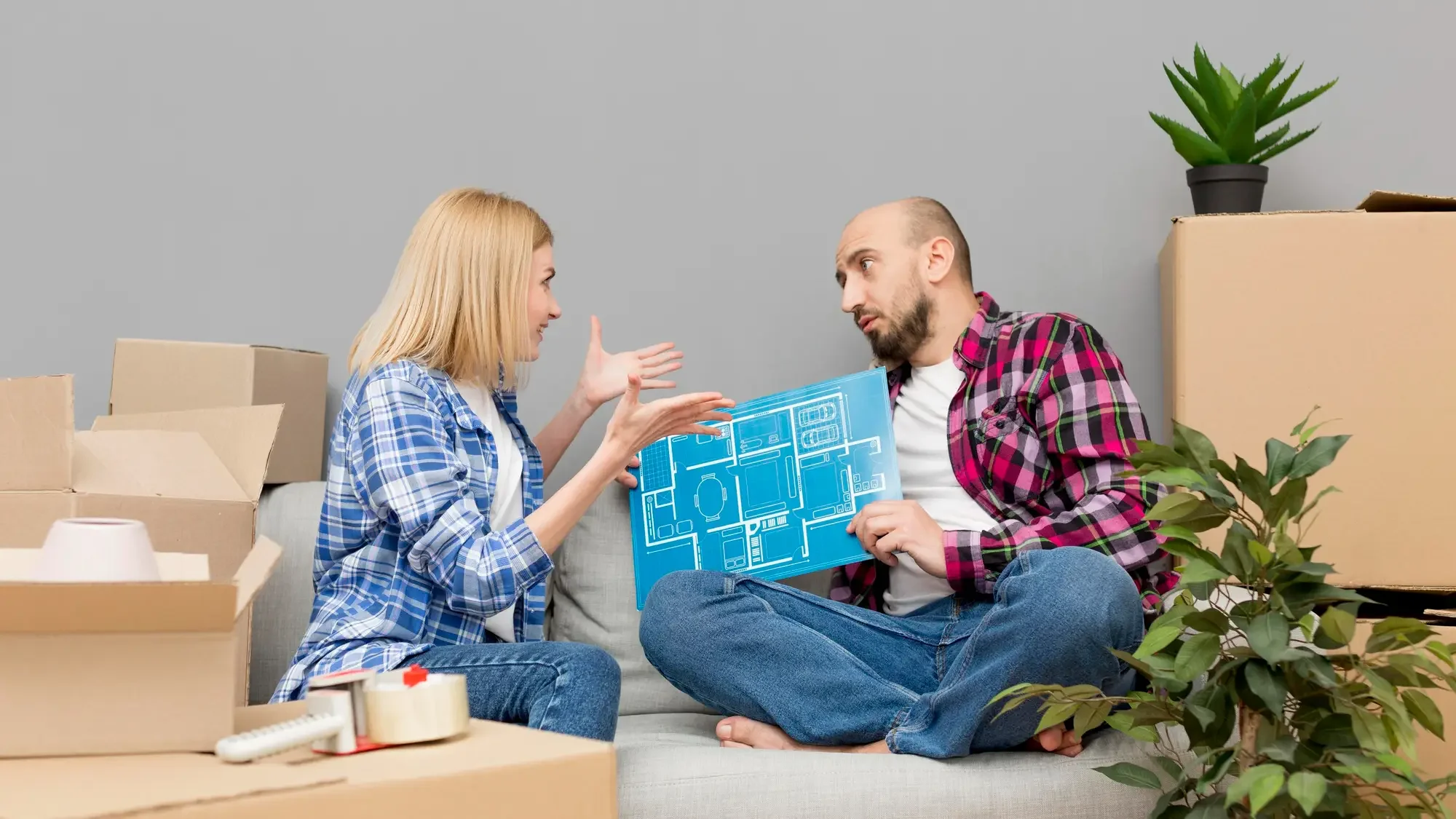
The conversation in almost every first custom home planning meeting moves in the same direction within the first few minutes. Once the budget is on the table, the question becomes: how much can we build?
It is a completely understandable instinct. A custom home is a significant investment, and maximizing what you get for that investment feels like the responsible thing to do. More bedrooms. A large great room. A finished basement from day one. Why leave money on the table?
Here is what two decades of building in Edmonton have shown us: the clients who are most satisfied with their homes five years after possession are almost never the ones who built the biggest home their budget allowed. They are the ones who built the right-sized home, and put the difference into the decisions that actually shape how a home feels to live in every day.
This is not an argument against square footage. It is an argument against defaulting to it.
Where the Instinct Comes From
The square footage instinct is largely borrowed from the resale market, where price per square foot is the dominant measure of value. In that context, it makes sense - a larger home in the same neighbourhood on the same street will generally command a higher price than a smaller one.
But a custom home is not a resale transaction. You are not buying a commodity. You are commissioning a home to be built around your specific life - how your household moves through space, how you cook and eat and work and rest, what matters to you in the morning and what you want to feel when you walk through the door at the end of the day.
When resale logic bleeds into a custom build conversation, it distorts the priorities. Clients begin optimising for a metric that has almost nothing to do with how much they will enjoy living in the home. Square footage is easy to count. Quality of life is harder to put in a specification. But one of them will define your daily experience for the next twenty years, and it is not the square footage.
What Size Cannot Buy
A larger home does not automatically feel larger. This surprises people, but it is one of the most consistent things we observe in the homes we build and the homes we visit.
What makes a home feel generous, considered, and genuinely luxurious has very little to do with floor area. It has everything to do with:
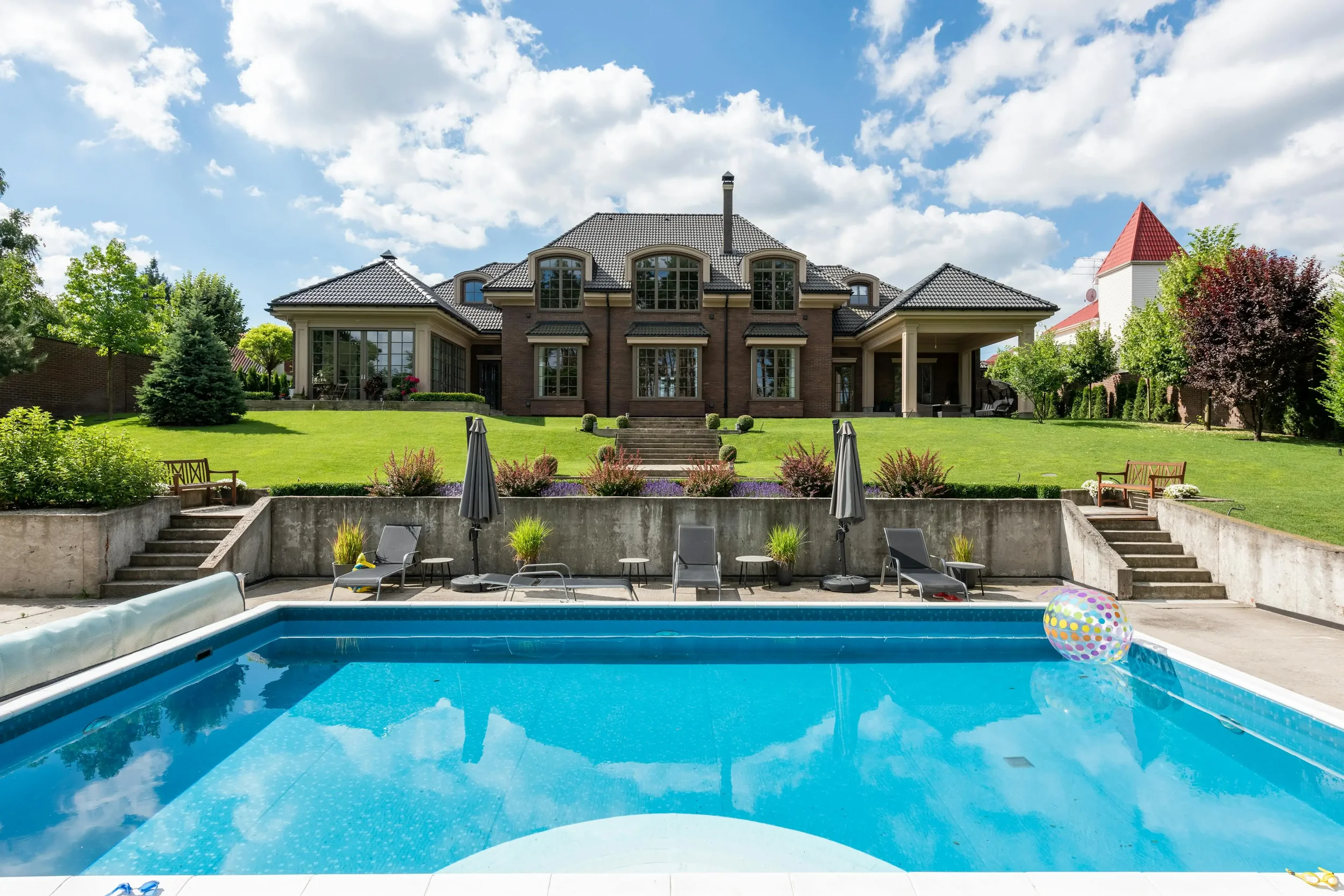
Ceiling height. The vertical dimension of a room shapes how it feels more than its footprint. A 2,800 sq ft home with 10-foot main floor ceilings will feel more spacious and more refined every single day than a 3,600 sq ft home with 8-foot ceilings. Ceiling height is one of the first things that gets value-engineered out when a build is being stretched to maximize square footage on a fixed budget.
Natural light. Window placement, size, and orientation determine how light moves through a home across the seasons. An Edmonton winter in a well-lit home feels fundamentally different from the same winter in one that is large but poorly oriented. More floor area does not give you more light - thoughtful design does.
Proportion. The relationship between the width and length of a room, between ceiling height and floor area, between the size of a space and the scale of its architectural details - these proportions are what make a room feel right. A poorly proportioned large room can feel awkward and unresolved. A well-proportioned smaller room feels intentional and complete.
Material quality and detail. The texture underfoot, the weight of a door handle, the way light falls across a stone countertop, the profile of a window casing - these are what you actually experience living in a home. They are the decisions that make a home feel worth living in. And they are exactly what gets compromised when the budget is stretched thin across more square footage than it can support well.
Size is visible on a floor plan. Quality is felt in the home. The two are not the same, and the custom home process is one of the few contexts where you can choose quality deliberately, if you resist the instinct to choose size instead.

The Rooms People Build and Never Use
Every builder has a version of this list. The rooms that appear on floor plans year after year, that clients are certain they will use, and that stand largely empty within two years of possession day.
The formal dining room. Built for the dinner parties that happen three times a year. For the other 362 days, it is either an overflow storage space, a homework room, or simply a room the family walks past on the way to the kitchen island where they actually eat.
The fifth bedroom. Added for the child not yet born, the in-law who visits twice a year, or the vague sense that more bedrooms means more value. It becomes a dedicated changing room or a dumping ground for things that don't have a home elsewhere.
The bonus room above the garage. A feature on the floor plan that sounds compelling - a media room, a kids' playroom, a flex space. In practice, it is the room farthest from everything and hardest to heat in an Edmonton winter, and it is used accordingly.
The formal living room. A second sitting area separated from the main living space. In theory, an adult retreat or a quieter space for conversation. In practice, the furniture arrangement never quite works, and the family gravitates to the main space regardless.
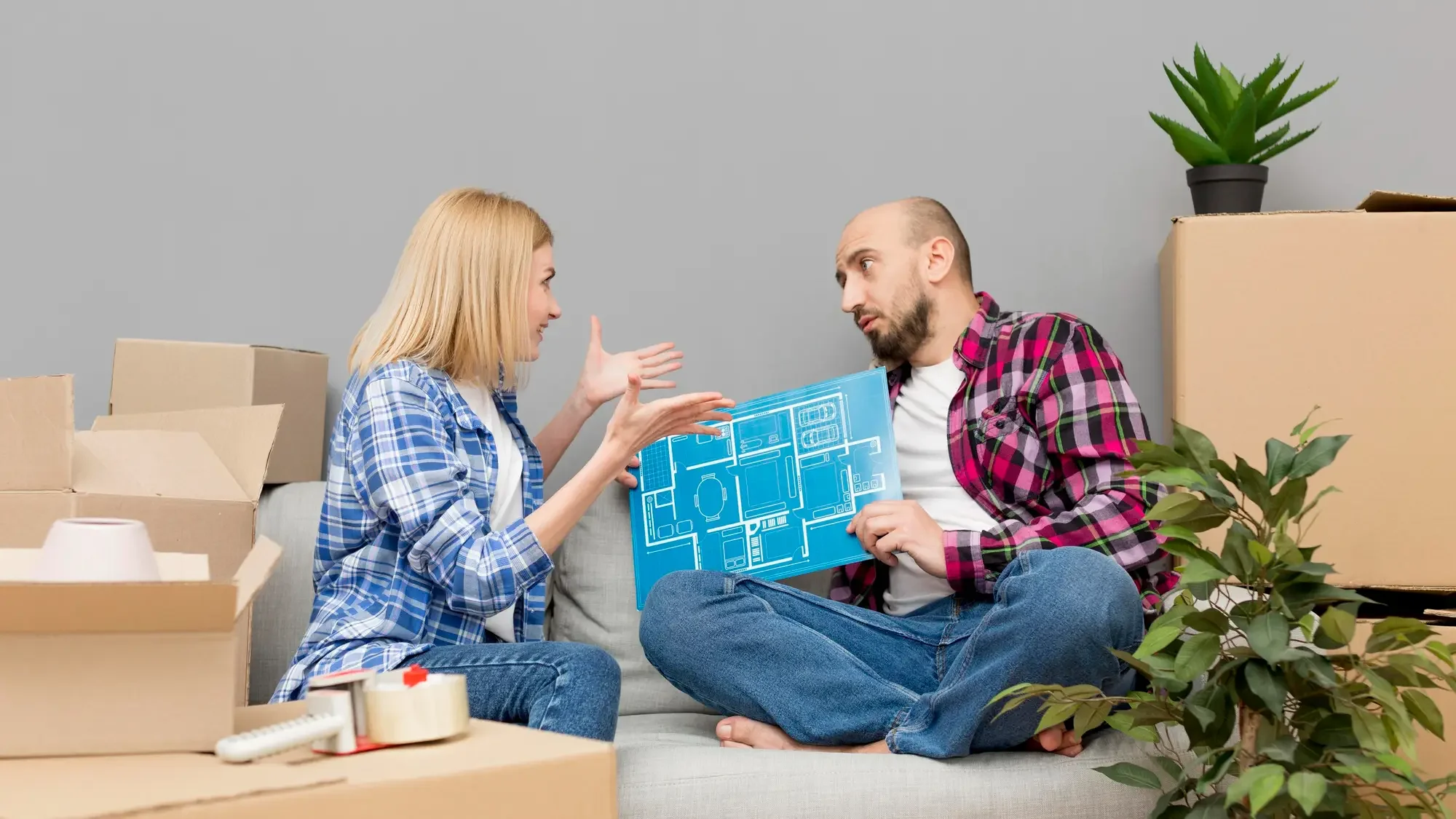
The honest question to ask about every room on a floor plan is not could we use this but will we use this, in the way we've imagined, given how our household actually functions? That question, asked honestly, often reveals several hundred square feet that exist on paper but not in practice, and represents a budget that could have been directed toward the spaces actually lived in.
The Real Cost of More Square Footage in Edmonton
Square footage has costs beyond the build budget, and in Edmonton's climate, they compound in ways that are worth understanding before the floor plan is finalised.
Heating. Alberta winters are long and cold. Every additional square foot of conditioned space has an ongoing energy cost. A well-insulated, right-sized home that retains heat efficiently will outperform a larger home with average envelope performance across every heating season for the life of the building. The operating cost difference over twenty years is not trivial.
Furnishing. A larger home requires more furniture to feel finished. Rooms that are sparsely furnished don't feel generous - they feel unresolved. The cost of furnishing a home appropriately is frequently underestimated during the build planning stage and frequently felt afterward.
Maintenance. More exterior surface area means more painting, more caulking, more roof area, more gutters. More interior space means more flooring to refinish, more walls to paint, more systems to service. These costs are real and recurring.
Cleaning. A practical consideration that somehow rarely appears in the custom home planning conversation: larger homes take more time and effort to maintain daily. For many Edmonton families, that time has a genuine cost.
None of these are reasons not to build the home your household genuinely needs. They are reasons to be honest about whether the square footage you are adding serves your life or whether it is serving a number on a floor plan.
The Better Question to Ask
The most useful reframe we offer clients who come in with a maximize-size instinct is a simple one: instead of asking how big can we go, ask what does our household actually need, and where does quality matter most to us?
Those two questions produce a very different floor plan, and almost always a better one. Not smaller for the sake of it, but sized with intention. Every room earns its place. Budget directed toward the things that will be experienced daily rather than the rooms that will be photographed for the listing someday.
The clients who reflect most honestly on their builds, and whose observations have shaped how we approach the early design conversations with every new client - consistently say the same thing. They do not wish they had built bigger. They wish they had built better in the spaces they use every day.

What This Looks Like in Practice
A right-sized custom home built with intention might look like this:
A main floor that flows generously between kitchen, dining, and living areas - open where openness serves daily life, defined where definition serves it better.
A primary suite that feels genuinely private and considered, not the largest room in the house, but the most resolved.
Bedrooms sized for how they will actually be used, with storage integrated into the architecture rather than added as an afterthought.
A basement developed only to the extent that it will genuinely be used, and left unfinished where finishing would consume budget without adding lived-in value.
A garage designed for Edmonton's climate - heated, properly sized for the vehicles and activities it will actually serve, with the utility infrastructure that makes it useful year-round.
The budget freed by making these honest sizing decisions can go into ceiling heights, into window quality and placement, into flooring and hardware and the details that define daily life. The result is a home that feels considered at every point, not because it is large, but because every decision in it was made on purpose.
That is the difference between a home built to impress on a floor plan and a home built to live in. And it is a distinction worth making before a single decision is finalized.
If you are in the early stages of planning and finding that the size question is dominating the conversation, it may be worth stepping back to the questions that matter more - what you actually need from a home, and what to look for in the builder you trust to help you answer that honestly.
And if budget and value are on your mind, the most instructive read is often an honest look at what custom home pricing actually reflects, and why the cheapest path is rarely the most valuable one.
Building a custom home in Edmonton and want a builder who will ask the right questions before the floor plan grows? Book a consultation with Kaidian Custom Homes, and start with an honest conversation about what your household actually needs.
Follow us!
related articles