What It's Actually Like to Build an Acreage Home Near Edmonton vs. a Lot in the City
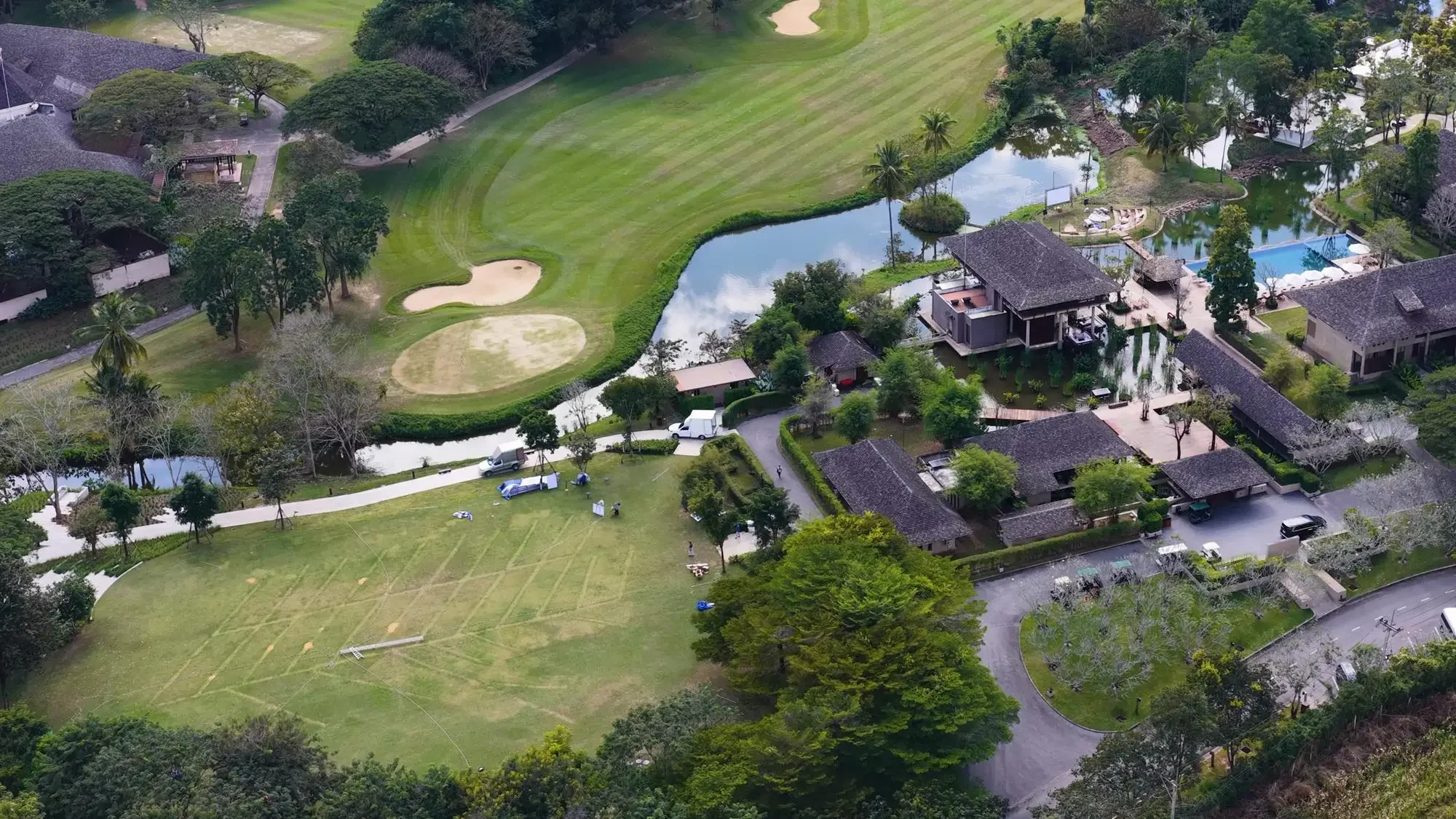
There is a moment many Edmonton homeowners eventually reach - usually after their third or fourth look at a city lot - where the question shifts. Not just what to build, but where to build. A lot in an established neighbourhood or a new community inside the city? Or land outside it - space, quiet, room for the home and the life that surrounds it?
The acreage conversation has a pull to it that is hard to articulate precisely. Part of it is practical: more land, more privacy, a garage that can actually hold what you need it to. Part of it is something less tangible - a feeling about the kind of morning you want to wake up to.
What most people don't have is an honest account of what building on acreage actually involves; how the process differs from a city lot build, what the Edmonton-area communities offer at different price points and distances, what gets harder and what becomes possible. That is what this guide is about.
The Communities Worth Knowing
Within a 30–45 minute radius of Edmonton, several communities offer distinct acreage and estate options for custom home buyers. Each has its own character, infrastructure profile, and build implications.
Sherwood Park and Sherwood Park Golf Estates
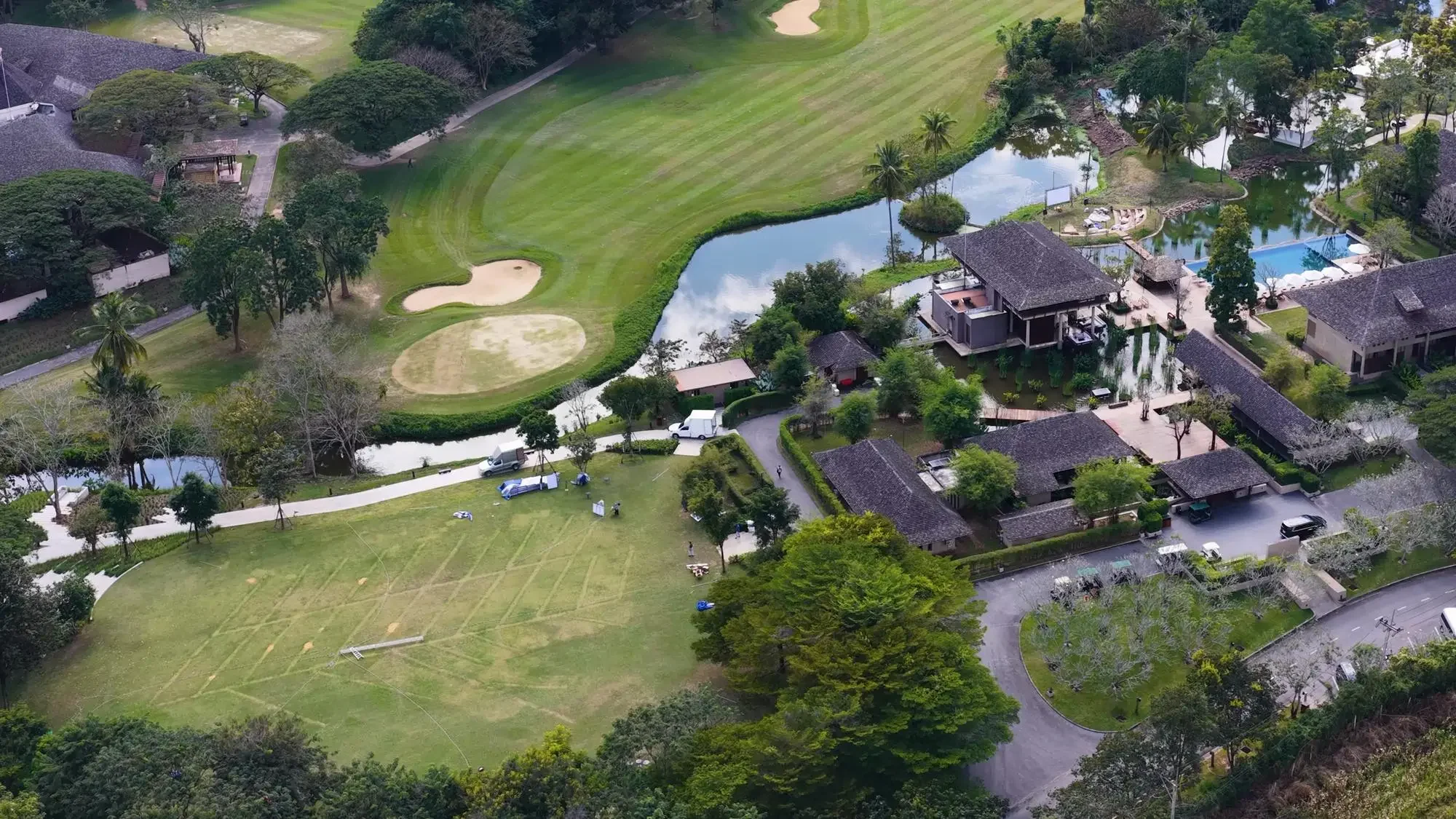
Sherwood Park is the closest major urban centre east of Edmonton, offering a rare combination: established community infrastructure schools, medical facilities, shopping, restaurants within minutes of estate lots that feel genuinely removed from the city. Sherwood Park Golf Estates in particular has become one of the most sought-after addresses in the Edmonton region for luxury custom home builds, with larger lots, mature green space, and a neighbourhood character that takes decades to develop.
Kaidian has built twice in Sherwood Park Golf Estates including The Juliet, a 4,100+ sq ft luxury custom bungalow completed in 2024. Building in an established estate community like this carries specific design considerations: the neighbourhood has an architectural character worth respecting, setback and design guideline requirements are more detailed than a standard residential lot, and the expectations for finish quality are set by the homes already there.
Sturgeon County and Tuscany Hills
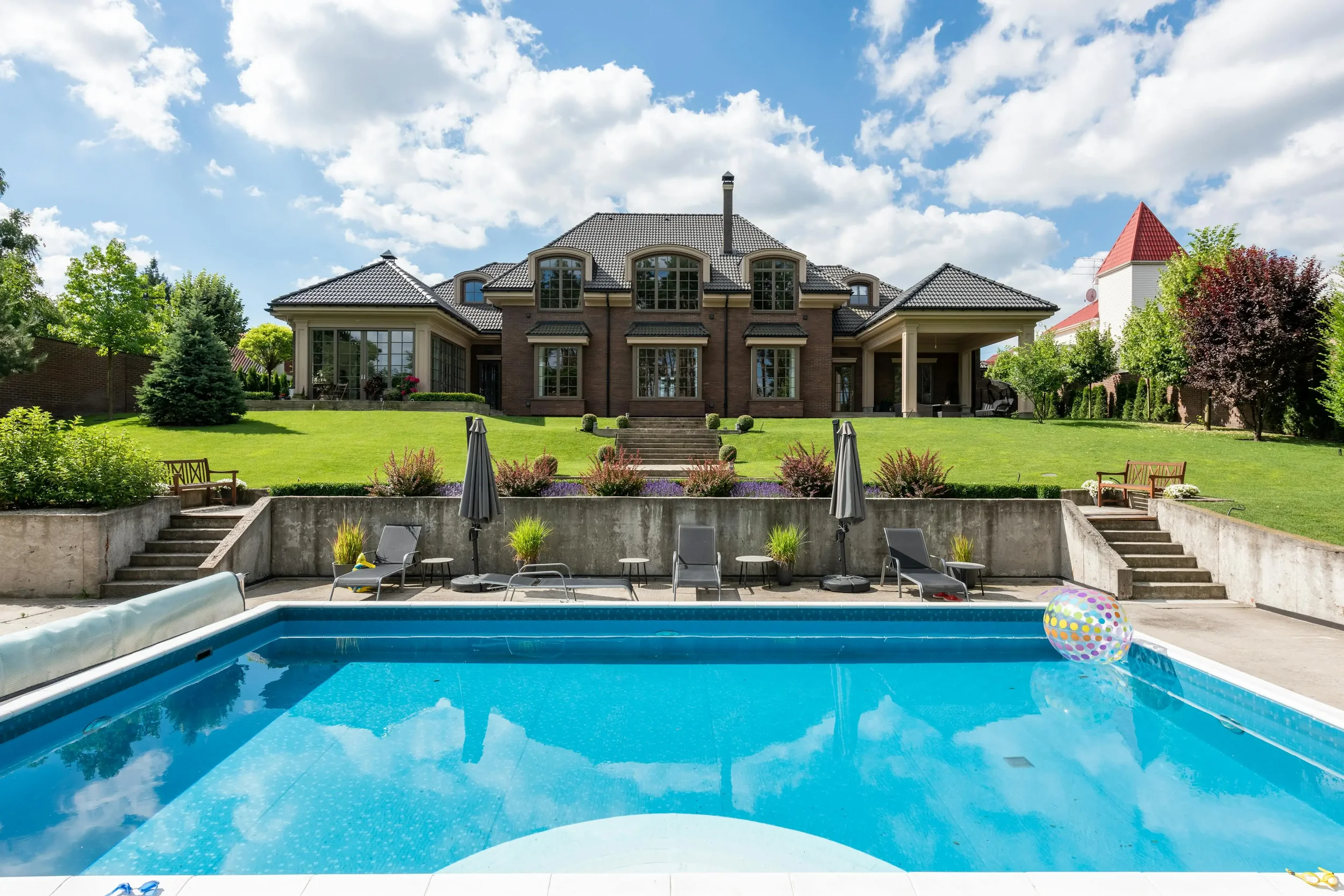
Sturgeon County, immediately north of Edmonton, is where the acreage build experience becomes something genuinely different from city construction. Tuscany Hills is one of the county's most prestigious estate communities - large lots, significant privacy between properties, and the kind of setting where a home's relationship to its land becomes a central design consideration rather than an afterthought.
Our2022 custom bungalow in Tuscany Hills - a 4,000+ sq ft luxury build with in-floor heating, premium finishes, and a design built around the scale of the site - is a reference point for what an acreage build in Sturgeon County can achieve when the land and the home are designed together from the beginning.
What Sturgeon County requires practically: well and septic systems rather than municipal water and sewer, greater attention to site drainage and grading, and a builder who understands rural servicing requirements. These are not obstacles, they are build-stage considerations that need to be planned for rather than discovered.
Leduc and Leduc County
South of Edmonton, Leduc and Leduc County offer acreage and estate options that appeal particularly to households that value proximity to the international airport and the growing commercial corridor along Highway 2. Custom lots in this area tend to offer generous sizes at more accessible land prices than Sherwood Park or Sturgeon County's premium communities - making Leduc County an interesting option for buyers who want genuine space without the premium associated with an established estate address.
Spruce Grove and Parkland County
West of Edmonton, Spruce Grove and the surrounding Parkland County communities have grown significantly over the past decade. The appeal here is a combination of space, relative affordability, and a strong sense of community in a smaller urban centre. Parkland County acreages in particular offer larger parcels and a more genuinely rural character, while Spruce Grove itself provides the urban amenities that make everyday life practical without the commute pressure of living further out.
How an Acreage Build Differs From a City Lot - The Honest Version
The lifestyle appeal of building outside the city is well understood. The build-process differences are less often discussed honestly. Here is what actually changes.
Land and Site Work
On a city lot, the infrastructure is largely already there: municipal water, sewer, gas, power, and paved road access. The site is graded. The services are connected. The builder's job begins with the foundation.
On an acreage, the site work is a significant part of the project. Depending on the location and the lot's current state, you may be starting from raw land, which means:
Well drilling. Rural properties in Sturgeon County, Leduc County, and Parkland County typically rely on a drilled well for water supply. Well depth and water quality vary by area and can only be confirmed by drilling. Budget for this as a separate line item with a meaningful contingency, as it is not entirely predictable.
Septic system design and installation. Municipal sewer connections are not available on most rural acreages. A septic system - whether a conventional tank-and-field design or an engineered system for sites with specific soil conditions - requires county approval and a professional designer. In Alberta, septic systems on rural properties must meet provincial standards, and the design process takes time.
Power and gas service. If the lot does not already have power and gas brought to it, service extension costs can be significant and vary widely depending on distance from existing infrastructure.
Road access and site preparation. Some acreage lots require a driveway cut, gravel approach, and site levelling before construction can begin. This is particularly relevant on raw land in Leduc County or Parkland County where the site may be agricultural in character.
None of this is a reason not to build on acreage. It is a reason to work with a builder who understands rural site development and factors it into the project budget and timeline from day one, not as an afterthought discovered during construction. This kind of integrated thinking from land through to finishes is what Kaidian's approach to designing and building as a single discipline is specifically built around.
Design Considerations That Change on Acreage
A home on an acreage lot is not simply a city home moved to a larger piece of land. The design considerations are genuinely different, and the best acreage homes are ones where the building and the land are designed in conversation with each other.
Orientation and solar design. On a city lot, your orientation is largely determined by the street. On an acreage, you have choices, and those choices affect how the home captures light across the seasons, how it relates to views and prevailing winds, and how outdoor spaces connect to indoor ones. In Edmonton's climate, solar orientation is not a luxury consideration. A home that captures winter sun through well-placed south-facing glazing feels and performs fundamentally differently from one that doesn't.
Garage design for rural life. The garage on an acreage property is often a different kind of structure entirely - larger, heated, potentially housing equipment, recreational vehicles, or workshop space. Building a properly heated garage with the utility infrastructure an Alberta acreage actually demands is one of the decisions that acreage homeowners are most grateful they made from the start.
Outdoor living integration. An acreage home with a thoughtfully designed covered outdoor living area - one that works with Edmonton's spring and fall shoulder seasons, not just the brief Alberta summer - uses the land in a way that a city lot rarely can. This is a design opportunity worth taking seriously at the floor plan stage, not adding as an afterthought.
Long-term servicing access. On a rural property, the practical realities of well maintenance, septic pumping, and heating system servicing need to be considered in how the home is sited and how mechanical systems are located. A builder who has built on rural lots in Sturgeon County and Leduc County will raise these considerations naturally. One who hasn't may not.
Timeline and Contractor Logistics
Building outside the city introduces logistical considerations that affect both timeline and cost. Trades who are based in Edmonton or Sherwood Park have a drive to a Leduc County or Spruce Grove site - which affects scheduling, particularly for tradespeople who are managing multiple jobs. Material deliveries to rural sites require more planning than city builds. Inspections may involve additional travel for municipal inspectors depending on the county.
None of these are problems unique to Kaidian, they are realities of rural construction that a builder with genuine acreage experience builds into their project management from the start. It is worth asking any builder you are considering: how many acreage builds have you completed in this specific area, and what do you do differently because of the site?
City Lot Build: What You Trade and What You Gain
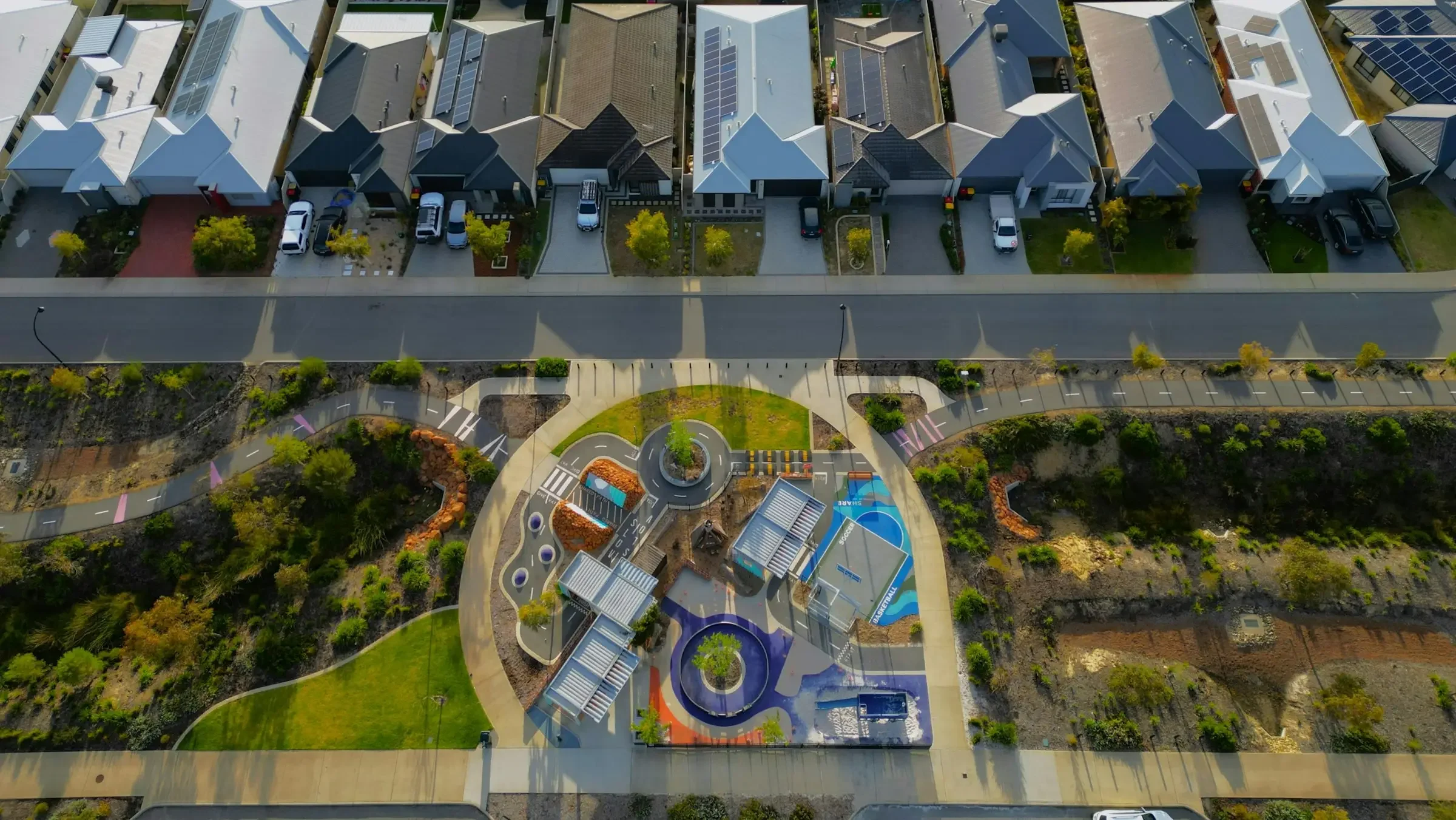
Building on a city lot - whether in an established Edmonton neighbourhood or a new community in the southwest, northwest, or southeast - is a fundamentally different experience, and it has genuine advantages worth naming honestly.
Infrastructure is already there. Municipal water, sewer, gas, and power eliminate the site development complexity and cost of acreage builds. The budget goes further on the home itself rather than on bringing services to the site.
Trades are closer. Contractors, suppliers, and inspectors are working in a familiar geography. Scheduling is simpler, delivery logistics are more predictable, and the overall build process tends to run more smoothly from a logistics standpoint.
Community and convenience. Schools, healthcare services, shopping, and community amenities are woven into urban neighbourhoods in ways that rural and semi-rural areas have yet to fully achieve. For families with children in school or households that value daily convenience, the city lot has a quality-of-life advantage that compounds over years.
Resale market depth. Edmonton's urban custom home market has a larger pool of buyers at resale than rural acreage properties. This is not a reason to build in the city over the country, but it is a variable worth understanding if long-term liquidity matters to your decision.
The honest comparison is not that one is better than the other. It is that they are different builds for different lives, and the right choice depends entirely on how your household actually functions and what you want your daily environment to be.
What the Decision Usually Comes Down To
After many years of building in both contexts - on city lots in Edmonton and on estate and acreage sites in Sherwood Park, Sturgeon County, Leduc, and Spruce Grove - the decision almost always comes down to three things:
How you want to move through your daily life. If the school commute, the grocery run, and the daily rhythms of family life benefit from proximity to urban infrastructure, the city lot serves you better. If the morning you want involves space, quiet, and a connection to land, the acreage is the right starting point, and the practical realities are manageable.
What you actually want to build. Some homes simply need land to be what they are meant to be. A home designed around a large workshop, equestrian facilities, a significant outdoor living program, or a guest house cannot be built on a city lot. If the vision requires space, the decision is partly made for you.
What you can do at budget. Acreage land in communities like Tuscany Hills or Sherwood Park Golf Estates commands a premium, and site development adds real cost. A realistic budget conversation - one that accounts for land, site work, servicing, and the build itself - is the most important thing to have before a decision is made.
The most important thing a builder can do in this conversation is to help you think through what your household actually needs before the floor plan grows to fill whatever land you're standing on. A larger lot is not a reason to build a larger home. It is an opportunity to build the right home with more breathing room around it.
Choosing a Builder for an Acreage or Estate Build
The builder you choose for an acreage build matters more than it does for a straightforward city lot project. The variables are more complex, the site decisions are more consequential, and the margin for error in the early planning stages is smaller.
The questions worth asking any builder you are considering for an acreage project:
Have you built on acreage in this specific county or community, and can I speak with those clients?
How do you handle the site development phase - well, septic, power, and grading, and is this managed as part of your project or subcontracted to someone else?
How do you approach the design of a home in relation to its land - orientation, outdoor integration, views?
What does your project management process look like for a rural build, where trade scheduling and logistics are more complex than a city site?
A builder who has genuinely done this before will answer these questions with specificity. One who hasn't will give you general answers that sound reasonable but don't reflect real experience. The difference matters significantly when the unexpected happens, and on a rural build, site-level attention and genuine engagement from the builder is the single most important variable in how well it is handled.
When evaluating your options, it's also worth looking at what a builder has actually delivered - not just what they say they can build. Kaidian's portfolio of completed homesincludes estate builds in Sherwood Park Golf Estates and Tuscany Hills, Sturgeon County - real projects in the communities most relevant to an acreage buyer near Edmonton.
A Note on What Makes Acreage Builds Worth It
The clients who have built luxury acreage homes near Edmonton - in Tuscany Hills, in Sherwood Park Golf Estates, and in communities across Leduc County and Spruce Grove - describe the experience of living in those homes in a consistent way. Not the finishes. Not the square footage. The feeling of the home in its setting. The morning light on a property that has space around it. The quiet. The sense that the home was built for this land rather than placed on it.
That feeling is a design achievement as much as a lifestyle one. It comes from a builder and a client who thought carefully about how the building relates to the land - orientation, outdoor spaces, the connection between inside and outside - rather than treating the lot as a backdrop.
It also comes from a process that started with honest questions: What do we actually need? What does this land make possible? What are we trading and what are we gaining? Those are the questions that Kaidian's team brings to every first conversation - whether the site is a city lot in southwest Edmonton or a half-acre estate parcel in Sturgeon County.
Follow us!
related articles